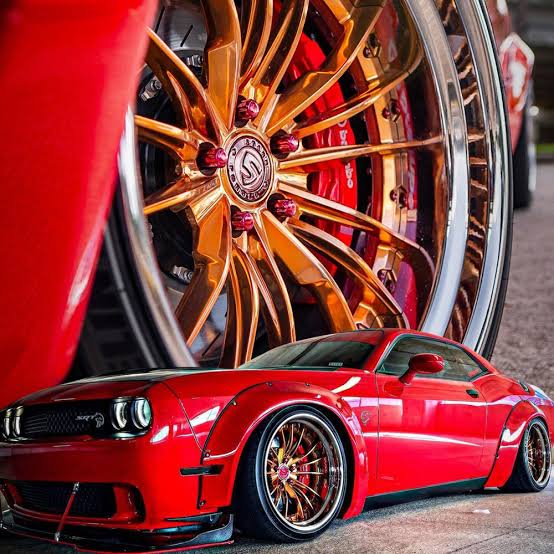
When it comes to improving a car’s performance, many enthusiasts focus on engine modifications, suspension upgrades, and exhaust systems. However, wheels custom forged wheels also play an important role in how a vehicle handles, accelerates, brakes, and responds to the road. One of the most effective wheel upgrades available today is custom forged wheels. These wheels combine advanced manufacturing techniques, lightweight construction, and personalized fitment to deliver both performance and style.
Whether you drive a sports car, luxury sedan, performance SUV, or modified vehicle, choosing the right wheels can make a noticeable difference. Custom forged wheels are particularly popular among enthusiasts who want to reduce unnecessary weight while achieving a precise fit and distinctive appearance.
What Are Custom Forged Wheels?
Custom forged wheels are manufactured from a solid piece of high-quality aluminum alloy using a forging process. Unlike cast wheels, which are made by pouring molten aluminum into a mold, forged wheels are formed under extremely high pressure. This process compresses and strengthens the material, creating a wheel that can offer an excellent balance of strength and weight.
The custom aspect means buyers can often select specifications such as diameter, width, offset, bolt pattern, center bore, and finish. This allows the wheels to be designed around the specific requirements of a vehicle rather than simply choosing a generic aftermarket option.
Reduced Unsprung Weight
One of the biggest performance advantages of custom forged wheels is their potential to reduce unsprung weight. Unsprung weight refers to components that are not supported by the vehicle’s suspension, including wheels and tires.
Reducing unnecessary wheel weight can help the suspension respond more effectively to changes in the road surface. Lighter wheels may allow the suspension to move more quickly, helping the tires maintain better contact with the road.
For performance-focused drivers, this can contribute to a more responsive and controlled driving experience. The difference can be especially noticeable when moving from heavier factory or aftermarket wheels to properly designed lightweight forged wheels.
Better Acceleration
Wheel weight can also influence acceleration. When a vehicle accelerates, the engine has to provide energy not only to move the car forward but also to rotate the wheels and tires.
Lighter wheels generally require less energy to accelerate their rotational mass. As a result, reducing wheel weight can complement other performance modifications and potentially make the vehicle feel more responsive when accelerating.
The actual improvement depends on factors such as wheel design, tire weight, vehicle power, gearing, and overall setup. Nevertheless, reducing unnecessary rotational mass is a common goal among performance enthusiasts.
Improved Braking Response
Wheels can also affect braking performance. A lighter wheel-and-tire combination can reduce the rotational mass that the braking system needs to slow down.
This may help contribute to a more responsive braking feel, particularly when combined with high-quality brake components and suitable performance tires. However, wheels alone do not replace the importance of properly maintained brakes.
Custom forged wheels can also be designed with brake clearance in mind. This is particularly useful for vehicles equipped with larger performance brake systems, where standard wheel designs may not provide sufficient space around the calipers.
Enhanced Handling and Cornering
Handling is another major reason drivers choose forged wheels. A well-designed wheel with the correct width and offset can help support an appropriate tire setup for the vehicle.
The right combination of wheel and tire can provide a stable contact patch and contribute to improved cornering confidence. Because custom forged wheels can be manufactured according to specific vehicle measurements, enthusiasts have greater flexibility when selecting widths, offsets, and diameters.
Proper fitment is essential, though. A wheel that is too wide, has an unsuitable offset, or interferes with suspension components can create problems. Professional fitment advice is therefore important before ordering custom wheels.
Increased Strength and Durability
Performance wheels need to withstand potholes, road imperfections, cornering forces, braking loads, and everyday driving conditions. The forging process used to manufacture custom forged wheels creates a dense material structure that can provide excellent strength.
Their strength-to-weight ratio is one of the key advantages of forged construction. Instead of relying on a heavy wheel to achieve strength, manufacturers can engineer a wheel that balances structural performance with reduced weight.
However, forged does not mean indestructible. Wheel durability still depends on design, manufacturing quality, driving conditions, tire selection, and maintenance.
Precise Vehicle Fitment
Another important advantage is the ability to customize fitment. Different vehicles have different bolt patterns, offsets, brake clearances, hub sizes, and suspension configurations.
Custom wheels can be ordered to match these requirements more precisely. This helps enthusiasts achieve the desired appearance without compromising practical considerations.
For example, a performance car may require a specific wheel width and offset to accommodate wider tires. A luxury vehicle may need a particular diameter and brake clearance. Custom manufacturing provides more options than standard off-the-shelf wheel designs.
Improved Steering Feel
Wheel weight and dimensions can influence steering characteristics. Lightweight wheels may help reduce the effort required for the steering system to control the rotating assembly.
A properly selected wheel can also contribute to a more direct and responsive steering feel. This is especially valuable for drivers who enjoy spirited driving or want their vehicle to feel more connected to the road.
Still, steering feel is affected by many factors, including tire construction, suspension geometry, alignment, steering components, and wheel dimensions. Therefore, forged wheels should be viewed as one part of a complete performance setup.
Customization Without Sacrificing Performance
Performance does not have to mean sacrificing style. One of the most attractive features of custom forged wheels is the ability to personalize their appearance.
Buyers can often choose from different spoke designs, finishes, colors, lip styles, and surface treatments. Wheels can be designed to complement a vehicle’s body color and overall appearance while maintaining performance-focused specifications.
This combination of engineering and personalization makes forged wheels especially popular among owners building unique performance vehicles.
Choosing the Right Custom Forged Wheels
Selecting the right wheels requires more than choosing an attractive design. Important specifications include wheel diameter, width, offset, bolt pattern, center bore, brake clearance, load rating, and tire compatibility.
It is also important to consider how the vehicle will be used. A car driven primarily on the street may require different specifications from a vehicle used for track driving.
Always purchase from a reputable manufacturer or supplier and ensure that the wheels meet appropriate quality and safety standards. Professional installation and correct torque specifications are also essential.
Conclusion
Custom forged wheels can provide several performance advantages when correctly designed and fitted. Their lightweight construction can help reduce unsprung and rotational weight, while their strength and customizable dimensions allow enthusiasts to create a wheel setup tailored to their vehicle.
From acceleration and braking response to handling, steering feel, and overall appearance, the right forged wheels can complement a wide range of performance upgrades. For drivers looking to improve both the functionality and individuality of their vehicles, custom forged wheels offer an attractive combination of engineering, personalization, and performance.