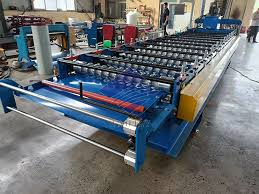
The Wave Roofing Sheet Former plays a vital role in the modern metal roofing industry. As demand for durable, lightweight, and visually appealing roofing materials continues to grow, manufacturers need advanced machinery that can produce consistent, high-quality roofing sheets efficiently. A Wave Roofing Sheet Former is specifically designed to shape Wave Roofing Sheet Former metal coils into wave-pattern roofing sheets that are widely used in residential, commercial, agricultural, and industrial construction.
Investing in a reliable Wave Roofing Sheet Former not only improves production efficiency but also ensures precision, reduces material waste, and delivers roofing sheets that meet strict industry standards. Whether you operate a small fabrication workshop or a large-scale manufacturing facility, this machine is an essential asset for increasing productivity and maintaining product quality.
What Is a Wave Roofing Sheet Former?
A Wave Roofing Sheet Former is a roll forming machine engineered to convert flat metal coils into corrugated or wave-shaped roofing sheets. It uses a series of precision rollers that gradually bend and shape the metal into a uniform wave profile without damaging the material.
The machine is compatible with various metals, including galvanized steel, aluminum, color-coated steel, and stainless steel. Once the metal passes through the forming rollers, it is cut to the desired length using an automatic cutting system, producing finished roofing sheets ready for installation.
Because of its automated operation, a Wave Roofing Sheet Former significantly reduces manual labor while maintaining consistent dimensions throughout every production cycle.
How a Wave Roofing Sheet Former Works
The manufacturing process begins by loading a metal coil onto the decoiler. The sheet then enters the feeding system, where it moves through multiple roll-forming stations. Each roller gradually forms the metal into the required wave profile.
After shaping, the material reaches the hydraulic or servo-controlled cutting unit, which cuts each sheet according to the programmed length. Finally, the finished roofing sheets are discharged onto the receiving table for packaging or further processing.
Modern Wave Roofing Sheet Former machines feature PLC control systems with touchscreen interfaces, allowing operators to adjust production settings quickly and accurately.
Benefits of Using a Wave Roofing Sheet Former
High Production Efficiency
One of the greatest advantages of a Wave Roofing Sheet Former is its ability to produce roofing sheets continuously at high speeds. Automated operation enables manufacturers to fulfill large customer orders while reducing production time.
Consistent Product Quality
Precision-engineered rollers ensure every roofing sheet has identical dimensions, wave patterns, and surface quality. This consistency improves customer satisfaction and minimizes product rejection.
Reduced Material Waste
Accurate feeding and cutting systems optimize raw material usage, reducing unnecessary scrap and lowering manufacturing costs.
Lower Labor Requirements
Automation eliminates much of the manual handling involved in traditional sheet fabrication. Fewer operators are required to manage production, helping businesses reduce labor expenses.
Long-Term Durability
High-quality machines are manufactured using hardened steel rollers and robust structural frames, allowing them to operate reliably for many years with proper maintenance.
Flexible Material Compatibility
Most Wave Roofing Sheet Former machines can process different metal thicknesses and various coated steel products, giving manufacturers greater flexibility in serving multiple markets.
Applications of Wave Roofing Sheets
Roofing sheets produced by a Wave Roofing Sheet Former are widely used across numerous construction sectors due to their strength, durability, and weather resistance.
Residential Construction
Wave roofing sheets provide attractive and long-lasting roofing solutions for houses, villas, garages, and residential extensions.
Commercial Buildings
Shopping centers, office buildings, warehouses, and retail stores frequently utilize wave roofing because of its low maintenance requirements and professional appearance.
Industrial Facilities
Factories, manufacturing plants, logistics centers, and workshops rely on wave roofing sheets for reliable weather protection and structural performance.
Agricultural Buildings
Barns, livestock shelters, grain storage facilities, poultry farms, and equipment sheds commonly use wave roofing sheets because they withstand harsh environmental conditions.
Public Infrastructure
Schools, sports facilities, transportation terminals, and government buildings also benefit from durable wave roofing systems manufactured using modern forming equipment.
Key Features of a Modern Wave Roofing Sheet Former
Manufacturers today expect advanced technology that improves productivity while maintaining product quality. A modern Wave Roofing Sheet Former typically includes numerous innovative features.
Automatic PLC Control
PLC automation simplifies machine operation by allowing users to control speed, sheet length, production quantity, and cutting parameters from a touchscreen interface.
Hydraulic Cutting System
Hydraulic cutting delivers clean, accurate cuts without deforming the finished roofing profile.
Heavy-Duty Rollers
Precision-machined rollers made from hardened alloy steel provide excellent forming accuracy while resisting wear during continuous production.
Adjustable Production Speed
Variable-speed control enables manufacturers to optimize production based on project requirements and material specifications.
Safety Protection
Emergency stop systems, protective covers, and safety sensors improve operator protection while ensuring reliable machine operation.
Materials Processed by a Wave Roofing Sheet Former
A Wave Roofing Sheet Former can process various metal materials, including:
- Galvanized steel
- Galvalume steel
- Color-coated steel
- Aluminum coils
- Stainless steel
- Zinc-coated steel
- Pre-painted metal sheets
This versatility allows manufacturers to produce roofing products suitable for different climates, industries, and customer preferences.
Factors to Consider Before Purchasing
Choosing the right Wave Roofing Sheet Former requires evaluating several important factors.
Production Capacity
Select a machine capable of meeting your current production requirements while allowing room for future business growth.
Material Thickness Range
Ensure the equipment supports the thickness of metal coils your business regularly processes.
Automation Level
Machines with advanced automation improve efficiency, reduce operating costs, and minimize production errors.
Machine Quality
Invest in equipment built with premium components, durable rollers, and reliable hydraulic systems for long-term performance.
Technical Support
Working with an experienced manufacturer that offers installation assistance, operator training, spare parts, and after-sales service provides additional confidence in your investment.
Maintenance Tips for Long-Term Performance
Proper maintenance helps maximize the lifespan and efficiency of a Wave Roofing Sheet Former.
Regularly inspect rollers for wear and clean them to prevent debris buildup. Lubricate bearings, chains, and moving components according to the manufacturer’s maintenance schedule. Check hydraulic oil levels, inspect electrical systems, tighten loose fasteners, and calibrate sensors periodically.
Routine preventive maintenance minimizes unexpected downtime and ensures consistent production quality.
Why Manufacturers Continue Investing in Wave Roofing Sheet Former Technology
The construction industry demands roofing materials that combine durability, affordability, and attractive design. A Wave Roofing Sheet Former enables manufacturers to produce these products efficiently while maintaining competitive production costs.
Modern automation, precision engineering, and reliable operation make these machines valuable investments for businesses seeking higher productivity and improved product quality. As construction projects continue to increase worldwide, manufacturers equipped with advanced roll-forming technology are better positioned to meet market demand.
Conclusion
A Wave Roofing Sheet Former is an indispensable machine for metal roofing manufacturers looking to improve efficiency, reduce waste, and deliver high-quality roofing sheets consistently. Its advanced automation, precise roll-forming technology, flexible material compatibility, and durable construction make it an ideal solution for producing roofing products used across residential, commercial, industrial, and agricultural applications.
By investing in a reliable Wave Roofing Sheet Former, manufacturers can increase production capacity, maintain consistent product standards, lower operational costs, and strengthen their competitive position in the growing metal roofing industry. With proper maintenance and modern technology, this machine remains one of the most valuable assets in any roofing sheet manufacturing facility.