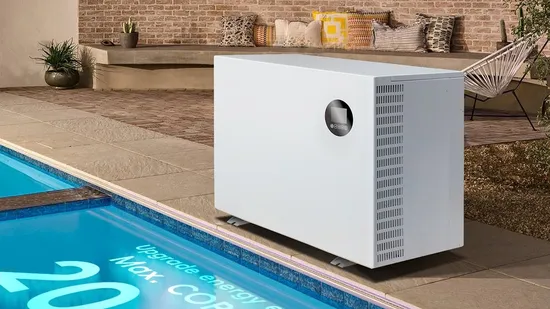
International demand for energy-efficient heating and cooling solutions has increased significantly in recent years. As businesses, property developers, contractors, and distributors search for reliable climate-control technologies, China has become an important global manufacturing hub. Sourcing heat pumps china products can provide access to a wide range of technologies, competitive manufacturing capabilities, and scalable production. However, international buyers need to understand several important factors before placing an order for a large-scale project.
From product specifications and supplier verification to certifications, logistics, installation requirements, and after-sales support, every part of the sourcing process can influence the success of an international project. Careful preparation helps buyers avoid unexpected costs and ensures that the selected equipment is suitable for the destination market.
Understanding the Heat Pump Market in China
China has developed a large manufacturing ecosystem for heating, ventilation, air conditioning, and renewable energy equipment. Manufacturers produce various heat pump systems designed for residential, commercial, and industrial applications. These may include air-source heat pumps, air-to-water systems, water-source heat pumps, ground-source systems, and high-temperature solutions.
When sourcing heat pumps china, international buyers should first identify the exact application. A system intended for a residential building may have very different requirements from equipment designed for a hotel, factory, warehouse, swimming pool, or district heating project.
Understanding the application allows buyers to define important specifications, including heating capacity, cooling capacity, energy efficiency, operating temperature range, noise levels, refrigerant type, and control systems. A clear technical specification makes it easier to compare different suppliers and avoid purchasing equipment that does not match project requirements.
Choosing the Right Manufacturer
Selecting a suitable manufacturer is one of the most important steps in international sourcing. Buyers should not make decisions based solely on the lowest quotation. A supplier with a lower initial price may not provide the same level of product quality, technical support, or long-term reliability as an established manufacturer.
Potential suppliers should be evaluated based on their manufacturing experience, production capacity, export history, quality-control procedures, product range, and ability to meet international standards. Buyers can also request company profiles, factory information, technical documents, product certifications, and references from previous international projects.
For large projects, it may be beneficial to communicate directly with the manufacturer’s engineering and technical teams. This helps confirm whether the company can customize equipment or provide project-specific solutions.
Checking Product Quality and Specifications
Heat pumps are complex systems that combine compressors, heat exchangers, fans, pumps, controls, sensors, and refrigerant circuits. The performance of the entire system depends on the quality and compatibility of these components.
Before ordering, buyers should carefully review technical specifications and test data. Important factors may include the coefficient of performance, seasonal efficiency, heating capacity at low temperatures, defrost performance, water flow requirements, and electrical specifications.
Climate conditions are particularly important. A heat pump designed for a mild environment may not perform effectively in regions with extremely cold winters. International buyers should confirm the equipment’s operating range and performance at the temperatures expected at the project location.
Understanding International Certifications
Different countries and regions have their own requirements for electrical safety, energy efficiency, electromagnetic compatibility, refrigerants, and environmental performance. A product that is acceptable in one market may require additional certification before it can be legally imported or installed in another.
Before sourcing heat pumps china, buyers should determine which certifications are mandatory in the destination country. Depending on the market, requirements may involve regional or national safety and energy-efficiency standards.
It is important to verify certificates rather than simply accepting supplier claims. Buyers can request copies of relevant documents and confirm that they apply to the exact model being purchased. This is especially important for large commercial projects where non-compliant equipment could cause delays, additional costs, or problems during inspection.
Refrigerant Selection and Environmental Regulations
Refrigerant regulations are becoming increasingly important in the global HVAC industry. Governments and regulatory authorities are gradually restricting refrigerants with higher environmental impacts and encouraging lower-global-warming-potential alternatives.
International buyers should understand the refrigerant used in the selected heat pump and check whether it complies with current and future regulations in the target market. The availability of qualified technicians and suitable servicing equipment should also be considered.
Choosing a system with a refrigerant that may face restrictions in the future could create long-term maintenance challenges. Therefore, buyers should consider not only current regulations but also the expected direction of environmental policies.
Evaluating Total Cost Instead of Purchase Price
The initial purchase price is only one part of the total cost of owning a heat pump system. International buyers should also consider shipping, insurance, import duties, taxes, installation, commissioning, maintenance, spare parts, and energy consumption.
A slightly more expensive unit may deliver better long-term value if it provides higher efficiency and lower maintenance costs. Similarly, a manufacturer offering strong technical support may reduce installation problems and downtime.
For large international projects, buyers should calculate the estimated lifecycle cost of the equipment. Comparing energy efficiency, expected operating hours, maintenance requirements, and warranty coverage can provide a more realistic picture of overall value.
Logistics and International Shipping
Transporting heat pumps internationally requires careful planning. The equipment may be large and heavy, and packaging must protect sensitive components during handling and transportation.
Buyers should discuss packaging standards, container loading, shipping terms, delivery schedules, and insurance with suppliers before finalizing contracts. Incoterms should also be clearly defined so both parties understand which side is responsible for transportation, insurance, customs clearance, and other costs.
For major construction projects, delivery timing is critical. A delay in heat pump shipments can affect installation schedules and potentially postpone the completion of an entire project. Buyers should therefore establish realistic production and shipping timelines and maintain communication with suppliers throughout the process.
Factory Inspection and Quality Control
For significant orders, factory inspection can provide additional confidence before shipment. Buyers or independent inspection companies can check production processes, packaging, product labels, documentation, and finished equipment.
Pre-shipment inspections may help identify visible defects or discrepancies between the ordered specifications and the actual products. For customized systems, quality checks are particularly valuable because the equipment may have been manufactured specifically for one project.
Some buyers also request sample units before committing to large-volume purchases. Testing a sample can help evaluate performance, build quality, controls, noise levels, and compatibility with local installation conditions.
Warranty and After-Sales Support
Reliable after-sales support is essential when purchasing technical equipment from overseas. Buyers should understand the manufacturer’s warranty terms before placing an order.
Important questions include the warranty duration, covered components, replacement procedures, technical support availability, and responsibility for shipping defective parts. It is also useful to determine whether spare parts can be supplied quickly to the destination country.
For large projects, remote technical assistance and training can be extremely valuable. A manufacturer that provides detailed installation manuals, troubleshooting guidance, and commissioning support can help reduce operational problems.
Installation and Local Compatibility
Heat pump performance depends heavily on correct installation. Even high-quality equipment may perform poorly if it is incorrectly sized, improperly connected, or operated outside its recommended conditions.
Before sourcing equipment, international buyers should make sure local contractors understand the system and have access to necessary tools and technical documentation. Electrical voltage, frequency, water quality, pipe sizes, communication protocols, and building standards should all be reviewed.
It is also important to ensure that the heat pump integrates properly with other building systems, such as underfloor heating, radiators, domestic hot water systems, solar installations, or building management systems.
Building a Long-Term Supplier Relationship
Successful international sourcing is often based on long-term cooperation rather than one-time purchasing. Buyers who establish strong relationships with reputable manufacturers may benefit from improved communication, consistent product quality, faster technical assistance, and better access to spare parts.
Clear contracts should define product specifications, quality standards, delivery schedules, payment terms, warranty obligations, and procedures for handling disputes. Maintaining detailed records of technical requirements and agreed specifications can prevent misunderstandings.
Final Considerations for International Buyers
Sourcing heat pumps china products can offer international businesses access to a broad manufacturing base and a variety of heating and cooling technologies. However, successful procurement requires more than comparing prices. Buyers should evaluate manufacturers carefully, verify certifications, assess technical performance, understand refrigerant regulations, calculate total ownership costs, and plan logistics well in advance.
For international projects, the best sourcing strategy is one that balances price, efficiency, quality, compliance, reliability, and long-term support. By conducting thorough supplier research and clearly defining project requirements, businesses can make more informed purchasing decisions and build dependable supply relationships. With proper planning and quality control, heat pump sourcing can support energy-efficient projects across a wide range of international markets.