Power generation is at the heart of modern industrial operations, and ensuring optimal performance of existing plants has never been more crucial. Aging power plants, in particular, face challenges related to efficiency loss, increased maintenance costs, and stricter environmental regulations. One of the most effective strategies for addressing these issues is implementing a steam turbine island retrofit for aging power plant infrastructure. This approach can revitalize older units, enhance efficiency, and extend operational life without the need for a complete plant replacement.
Understanding Steam Turbine Island Systems
A steam turbine island is a critical section of a thermal power plant, comprising the steam turbine, generator, condenser, and auxiliary systems that support power generation. Its performance directly impacts the overall efficiency of the plant. Over time, components within the steam turbine island can deteriorate due to high temperature, pressure fluctuations, and mechanical stress, leading to decreased output and higher fuel consumption. A steam turbine island retrofit for aging power plant addresses these challenges by upgrading key components, modernizing control systems, and improving thermodynamic performance.
The retrofit process typically focuses on improving the efficiency of the turbine, optimizing the steam cycle, and ensuring that auxiliary systems such as feedwater pumps, condensers, and lubrication units operate at peak efficiency. By targeting these areas, plant operators can significantly increase energy output without a proportional increase in fuel input.
Key Drivers for Steam Turbine Island Retrofits
Several factors drive the need for a steam turbine island retrofit for aging power plant systems. One of the primary considerations is the rising cost of fuel. Aging turbines often operate below optimal efficiency, consuming more fuel per unit of electricity generated. Upgrading turbine blades, seals, and control mechanisms can reduce fuel consumption and operating costs.
Environmental regulations also play a major role. Older plants may not meet current emission standards due to outdated combustion and steam systems. Retrofitting the steam turbine island allows for integration of advanced monitoring, control, and emission-reduction technologies, helping plants comply with stricter regulations.
Reliability and maintenance are additional drivers. As turbines age, mechanical wear and tear can lead to frequent shutdowns, unscheduled maintenance, and higher operational risk. Retrofits enhance reliability by replacing worn components with modern equivalents, implementing predictive maintenance technologies, and improving overall system monitoring.
Components and Strategies of Effective Retrofits
A successful steam turbine island retrofit for aging power plant involves a holistic approach that addresses mechanical, electrical, and control systems. Key components include:
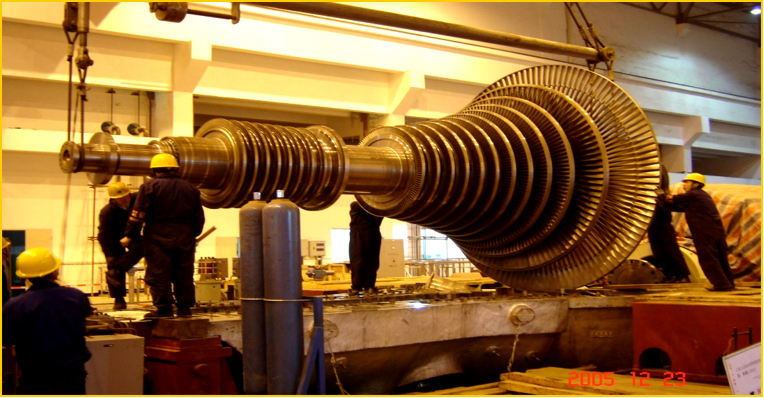
- Turbine Blades and Rotors: Advanced materials and aerodynamic designs reduce stress and improve thermodynamic efficiency. Replacing worn blades can enhance output and reduce vibration.
- Sealing Systems: Modern sealing technologies minimize steam leakage, which directly improves efficiency. Labyrinth seals, brush seals, and advanced turbine casing designs are commonly used in retrofits.
- Generator Upgrades: Retrofitting generators with improved insulation, cooling, and excitation systems ensures that the electrical output matches the enhanced turbine performance.
- Control and Monitoring Systems: Digital control systems and real-time monitoring allow operators to optimize turbine performance, detect anomalies early, and implement predictive maintenance strategies.
- Auxiliary Systems: Feedwater pumps, condensers, and cooling systems can be upgraded to reduce parasitic losses and enhance overall thermodynamic efficiency. Integration with plant-wide energy management systems ensures that retrofits deliver measurable performance improvements.
Benefits of Steam Turbine Island Retrofits
Implementing a steam turbine island retrofit for aging power plant offers multiple advantages:
- Increased Efficiency: Optimized turbines and auxiliary systems lead to better fuel utilization and higher electricity output.
- Extended Plant Life: Replacing critical components and modernizing control systems prolongs the operational life of existing plants, delaying the need for costly new construction.
- Reduced Operational Costs: Lower fuel consumption, reduced maintenance, and improved reliability translate into significant cost savings over the plant’s remaining life.
- Environmental Compliance: Upgraded systems allow older plants to meet contemporary emission standards, contributing to sustainability goals and regulatory compliance.
- Enhanced Flexibility: Modernized turbines can handle varying loads more effectively, allowing plants to respond dynamically to grid demands and renewable integration.
Case Studies and Industry Examples
Several power plants worldwide have successfully implemented steam turbine island retrofit for aging power plant strategies. For instance, many coal-fired and combined-cycle plants have upgraded turbine rotors, seals, and control systems, achieving efficiency gains of 3–6% and significant reductions in unplanned outages. In some cases, retrofits have allowed plants to extend operational life by 10–15 years while maintaining compliance with environmental regulations.
The success of these retrofits often depends on careful planning, a detailed assessment of plant conditions, and collaboration with experienced engineering, procurement, and construction (EPC) partners. Detailed thermodynamic modeling, vibration analysis, and lifecycle cost assessment are integral to ensuring that retrofits deliver measurable benefits.
Best Practices for Planning Retrofits
A strategic approach is crucial for the success of a steam turbine island retrofit for aging power plant. Key best practices include:
- Comprehensive Assessment: Evaluate the current condition of turbine components, auxiliary systems, and control equipment to identify bottlenecks and potential efficiency gains.
- Customized Solutions: Every power plant has unique operational characteristics; retrofits should be tailored to specific plant requirements rather than relying on a one-size-fits-all approach.
- Phased Implementation: Retrofits can be executed in phases to minimize downtime and maintain operational continuity.
- Collaboration with Experts: Partnering with experienced EPC contractors ensures that retrofits are designed and implemented according to best engineering practices.
- Performance Monitoring: Post-retrofit monitoring is essential to validate efficiency improvements, detect deviations, and optimize long-term performance.
Conclusion
For aging power plants, a steam turbine island retrofit for aging power plant represents a cost-effective and practical solution to enhance efficiency, reliability, and compliance. By modernizing turbines, generators, auxiliary systems, and controls, plant operators can extract more value from existing assets while reducing fuel consumption and environmental impact. Proper planning, tailored solutions, and collaboration with experienced partners are key to achieving successful outcomes.
As the energy sector continues to evolve, retrofitting steam turbine islands provides a pathway to sustainable, efficient, and economically viable power generation, ensuring that older plants remain competitive in a rapidly changing energy landscape.
This approach not only optimizes operational performance but also positions aging power plants to meet the challenges of tomorrow’s energy demands efficiently and sustainably.