
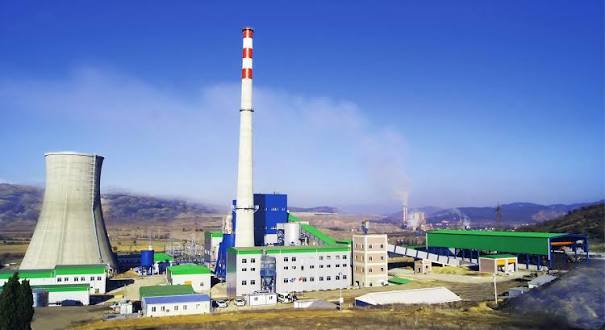
Extending an existing power plant is a complex engineering project that requires careful planning, technical coordination, and a clear understanding of the plant’s existing infrastructure. A well-planned power plant extension modular design can make expansion more efficient by allowing new systems and equipment to be developed power plant extension modular design in organized modules. This approach can reduce construction complexity, improve project coordination, and support future operational requirements.
For organizations planning power generation projects, modular design is especially valuable when expansion must take place while existing facilities continue operating. RUNH POWER provides engineering and project execution capabilities that can support different power plant development requirements, including utility-scale and smaller-capacity projects in Asian markets.
Understanding the Existing Power Plant
Before designing an extension, engineers need to understand the existing power plant in detail. This includes reviewing the current generation equipment, electrical systems, cooling arrangements, fuel systems, control systems, buildings, foundations, and supporting infrastructure.
The extension should work effectively with the existing facility rather than creating unnecessary technical conflicts. Site surveys, equipment assessments, engineering drawings, and operational data can help identify available capacity and potential limitations.
The condition of existing infrastructure is also important. Foundations, electrical connections, pipelines, transformers, cooling systems, and auxiliary equipment may need reinforcement or modification before additional generation capacity can be integrated.
Defining the Required Capacity
Capacity requirements should be established at the beginning of the planning process. The project team needs to determine how much additional electricity the extension is expected to generate and how the new capacity will fit into the overall energy strategy.
Demand forecasts, grid requirements, operating conditions, fuel availability, and future expansion plans can influence the required utility scale small capacity power plant engineering in asia capacity. In some projects, a relatively small addition may be sufficient, while others may require a larger utility-scale development.
For projects involving utility scale small capacity power plant engineering in asia, engineers may need to consider different market conditions, grid characteristics, environmental requirements, and infrastructure availability. Understanding the specific operating environment helps create a practical extension strategy.
Developing a Modular Engineering Approach
A key advantage of power plant extension modular design is the ability to divide a project into manageable sections. Each module can represent a specific system, equipment group, or functional area of the plant.
For example, modules may be developed around generation equipment, electrical systems, water treatment, cooling systems, control systems, auxiliary systems, or supporting structures. This allows engineering teams to coordinate individual areas while maintaining an understanding of how they interact with the complete plant.
Modular planning can also simplify manufacturing and installation. Where appropriate, equipment assemblies can be prepared before reaching the project site, reducing the amount of complex work required during installation.
Considering Site Conditions
The physical characteristics of the existing site have a major influence on the extension design. Available land, existing structures, access roads, drainage, foundations, underground utilities, and construction access all need to be assessed.
Space limitations can be particularly challenging when an extension is being added to an operating facility. Engineers may need to position new equipment around existing systems while maintaining safe access for workers and maintenance teams.
A detailed site assessment can help identify possible construction obstacles early. This makes it easier to develop a modular arrangement that uses available space efficiently without compromising plant operation.
Planning Electrical Integration
Electrical integration is one of the most important aspects of a power plant extension. Additional generation capacity must be connected safely and reliably with the existing electrical infrastructure.
Engineers need to evaluate generators, transformers, switchgear, protection systems, cables, control systems, and grid connection arrangements. The additional capacity should be compatible with the plant’s electrical characteristics and the requirements of the connected grid.
Protection coordination is also essential. Changes to the electrical system can affect fault levels, protection settings, power flows, and overall system stability. These factors should be evaluated during the engineering stage rather than after construction begins.
Evaluating Equipment and System Compatibility
New equipment should be selected based on technical compatibility, operating requirements, maintenance considerations, and long-term performance. Compatibility with existing equipment can help reduce unnecessary modifications.
The extension should also consider how operators will monitor and control the new systems. Integrating control and monitoring functions can provide a more coordinated operating environment.
RUNH POWER can support project requirements through engineering and construction capabilities designed around individual project conditions. A coordinated approach can help ensure that equipment selection, system integration, and construction planning remain aligned.
Managing Construction While the Plant Operates
Many extension projects involve existing power plants that must continue generating electricity during construction. This creates additional planning requirements.
Construction activities should be organized to minimize disruption to existing operations. Work areas, access routes, temporary turnkey power plant construction facilities, shutdown requirements, and equipment installation sequences should be considered carefully.
A modular approach can support phased construction by allowing specific sections of the extension to be prepared and installed according to a defined schedule. This can help project teams manage construction activities more systematically.
Considering Safety and Environmental Requirements
Safety should be incorporated into the design from the beginning. Equipment layouts should provide sufficient space for operation, inspection, maintenance, emergency access, and safe movement around the plant.
Environmental requirements also need to be evaluated. Depending on the project, considerations may include emissions, wastewater, noise, fuel handling, waste management, and resource consumption.
Regulatory requirements can vary between locations, making local engineering knowledge particularly important for projects in Asia. Compliance should be considered during planning, design, construction, commissioning, and operation.
Building Flexibility for Future Expansion
A good modular extension should not only solve today’s capacity requirements but also allow reasonable flexibility for future development. If additional expansion is expected, engineers can reserve space and consider infrastructure requirements during the initial design.
Electrical capacity, cooling systems, water systems, structural arrangements, and control infrastructure may all be affected by future expansion. Planning these requirements early can prevent expensive modifications later.
This long-term perspective is especially useful for businesses that expect electricity demand to increase over time.
Selecting the Right Project Execution Approach
The project delivery strategy can have a significant effect on schedule, cost, and coordination. A turnkey power plant construction approach can provide an integrated solution in which engineering, procurement, construction, installation, testing, and commissioning are coordinated under a unified project structure.
For an extension project, this can simplify communication between different technical disciplines. It can also provide a clearer framework for managing project responsibilities and milestones.
The right approach depends on project size, technical complexity, site conditions, schedule, and the owner’s requirements. A detailed evaluation should be completed before selecting the execution model.
Controlling Costs and Project Schedule
Budget control is another major consideration. The project team should evaluate equipment costs, civil works, electrical infrastructure, transportation, installation, commissioning, and potential modifications to existing systems.
A modular design can support cost control by establishing clear project sections and allowing engineering teams to identify requirements for each module. It may also help improve procurement and construction planning.
Schedule management is equally important. Long-lead equipment should be identified early, while engineering, procurement, construction, and commissioning activities should be coordinated carefully.
Testing and Commissioning
The extension should undergo systematic testing before entering normal commercial operation. Individual equipment and systems need to be inspected and tested before integrated commissioning.
Commissioning should verify that the new systems operate correctly with the existing plant. Electrical protection, control systems, mechanical equipment, auxiliary systems, and safety functions should all be evaluated.
A structured commissioning plan can help identify problems before full operation and provide operators with confidence in the completed extension.
Conclusion
Planning a successful power plant extension modular design requires more than simply adding new generation equipment. Engineers must evaluate the existing facility, determine capacity requirements, design compatible systems, consider site conditions, manage electrical integration, address safety and environmental requirements, and plan construction around ongoing operations.
Modular engineering can provide a practical way to organize complex extension projects while supporting efficient installation and future flexibility. For projects involving utility scale small capacity power plant engineering in asia, understanding local conditions and technical requirements is particularly important.
With an integrated approach to engineering, procurement, construction, installation, and commissioning, organizations can establish a more coordinated project pathway. A carefully planned turnkey power plant construction strategy can further simplify project execution and help deliver reliable additional generation capacity. RUNH POWER’s project-focused capabilities can support power plant development and extension requirements where technical integration, modular planning, and coordinated execution are essential.
